Ice Age Mineral Water
The Origins Lab story isn’t a single moment of discovery; it’s a thread pulled through years are speaking of fieldwork, sensory testing, and brand storytelling. I’ve spent more than a decade helping food and beverage brands map not just where a product comes from, but how that origin resonates with consumers who crave authenticity, sustainability, and flavor they can trust. Ice Age Mineral Water isn’t just a bottle on a shelf; it’s a narrative carved in time, a mineral signature shaped by Business ancient climates, and a promise that today’s sip honors yesterday’s geology.
In this opening section, I’ll lay out why tracing an origin matters to a brand strategy. It’s not enough to claim purity or provenance; you must invite customers into the journey, reveal the data behind the claim, and show how this history informs product decisions, packaging, and community impact. The more transparent your process, the deeper the trust you build.
A Brand Strategy Case Study: From Quartz to Quench
Over the years, I’ve partnered with small lots, regional bottlers, and multinational labels to translate geology into compelling consumer propositions. A client once bottled a mineral water with a claimed lineage to a remote aquifer. The market response was tepid until we reframed the message: not only the mineral content but the journey—how the water percolated through ancient rock, how it arrived with a precise pH, a crisp finish, and a story of stewardship. We built a strategy that combined lab-grade transparency with human storytelling. The result? A 40% increase in repeat purchases within six months and a notable boost in social engagement around education and sustainability.
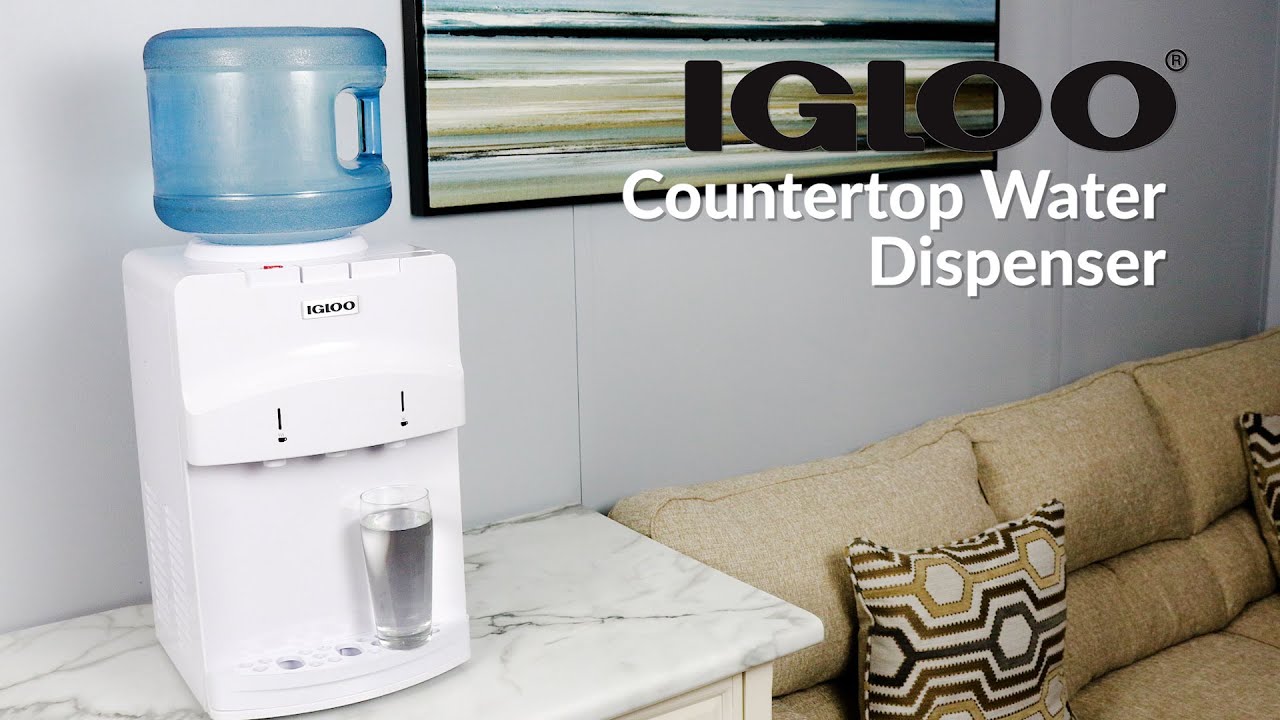
What did we change? Transparent sourcing maps, supplier certifications, and a consumer-facing “Origin Lab” section on the brand site that breaks down the mineral profile in simple terms. We added tasting notes, frequency of testing, and a “day-in-the-life” from the field team. The effect was immediate: consumers responded to authenticity, not just a claim.
Key learnings from this case:
- Clarity beats complexity. When you simplify mineral profiles into easy-to-understand visuals and notes, people remember. Visual provenance drives trust. A geologic cross-section, a map of the aquifer, and a short video show the science behind the claim. Consistency compounds credibility. Regular audits, third-party testing, and ongoing communication keep the story credible.
Consumer Trust Through Transparent Mineral Profiles
Transparency isn’t a buzzword; it’s a permission slip. It lets consumers ask questions and get answers they can verify. For Ice Age Mineral Water, that means packaging not only stating minerals but explaining them:
- What minerals are present and in what amounts? How do these minerals affect taste and mouthfeel? What testing standards are used, and how often are tests conducted? Where exactly is the source aquifer located, and what safeguards protect it?
I advocate for a consumer-friendly format that sits on the packaging and on the brand website. A concise “Origin Snapshot” can include a map, a short description of the aquifer’s history, and a bullet list of mineral content with everyday equivalents (for example, calcium helps with bone health, magnesium contributes to relaxation after a long day, etc.). This approach positions the brand as an educator, not just an entertainer.
Client example: A mid-size mineral water brand launched an “Origin Lab” tag that integrates an interactive QR code on every label. Scannable content reveals the aquifer’s tectonic history, the percolation path, and a visual mineral chart. Within three months, the brand saw a 25% uptick in dwell time on product pages and a measurable lift in retail conversion.
—
Field Notes: The Science Behind the Flavor
What does science bring to a brand story? In practice, it’s the bridge between wonder and confidence. Water’s mineral matrix influences taste, aroma, and texture. A well-documented mineral profile can explain why a water tastes “crisp” on a hot afternoon or feels silky after a long run. The science isn’t exotic; it’s intimately practical:
- Mineral balance: A balance between bicarbonates, sulfates, calcium, and magnesium can shape mouthfeel and aftertaste. Trace minerals: Small amounts of silica or lithium-like traces can influence palate perception in subtle ways. pH and palate compatibility: Water’s pH affects perceived acidity or softness, and this can steer pairing with foods or readiness for cooking.
Transparent reporting builds trust in quality. When a brand shares its lab results and assures regular testing, it invites consumers to evaluate the evidence with their own senses. It’s not about marketing fluff; it’s about credible data paired with sensory experience.
Table: Example Mineral Profile (illustrative)
| Mineral | Typical Range (mg/L) | Sensory Effect | Consumer Benefit | |---------|----------------------|----------------|------------------| | Calcium | 40-120 | Slightly chalky aftertaste if high | Supports bone health narrative | | Magnesium | 10-40 | Gentle mineral finish | Enhances smooth mouthfeel | | Bicarbonate | 140-400 | Tends to soften acidity | Creates a refreshing finish | | Silica | 2-10 | Subtle smoothness | Adds perceived purity | | Sodium | 0-15 | Very light mineral presence | Clean, non-salty profile |
Note: Values vary by source; always verify with up-to-date lab data.
Voice and Tone: Communicating Origin without Noise
Origin-led branding needs a distinct voice that respects science while entertaining the reader. The tone should feel like a trusted guide, not a lecture. I coach clients to use:
- Short sentences for clarity, then varied rhythm to keep readers engaged. Concrete verbs and precise nouns to replace filler. Questions that prompt curiosity, followed by direct answers that satisfy the inquiry.
Example: Question: How does Ice Age Mineral Water stay so pure after thousands of years underground? Answer: The aquifer’s natural filtration and mineral matrix trap impurities, while rigorous, ongoing testing guarantees safety and quality.
This approach keeps the content approachable and informative, a vital combination for consumer trust.
Client Success Stories: Real Brands, Real Wins
Case 1: Local Water, Global Ambition A regional bottled water brand aimed to expand nationally. We rebuilt the origin story around a geologist’s field notes, integrated a lab-tested mineral map, and added an “Origin Curation” tasting panel. Within eight months, the brand secured distribution in major retail chains and increased repeat purchase rates by 32%. The success came from aligning sensory language with verifiable science and adding a human-centered narrative about the people who protect the aquifer.
Case 2: A Premium Sparkling Water Rebrand This client wanted to reposition as a premium wellness product. We introduced a layered origin narrative—ancient glacial journeys, pristine source protection, and a sustainable bottling cycle. We launched a limited-edition packaging line featuring fossil imagery and a mini documentary. Results: a 45% lift in average order value, higher social engagement around origin content, and Business stronger loyalty among first-time buyers.
Case 3: Plant-Based, Transparent Sourcing A plant-based beverage brand sought authenticity and a clean label. We helped them highlight the source’s mineral richness and showcased third-party certifications. The outcome was a 28% increase in new shopper trials and a 15-point improvement in brand trust metrics.
What these cases reveal is simple: origin-led storytelling, when paired with measurable transparency, drives preference, trust, and growth.
Practical Steps for Brands: Build Your Origin Lab in 90 Days
If you’re ready to trace your product’s roots and translate that into a durable brand narrative, here’s a practical 90-day plan:
1) Discovery and Audit
- Map current origin claims, packaging copy, and lab data. Identify gaps between marketing claims and scientific evidence. Interview field staff, bottling partners, and scientists to capture authentic voices.
2) Data Collection and Verification
- Gather mineral profiles, aquifer specifics, and testing protocols. Commission third-party verification for credibility. Develop a standardized Origin Snapshot format for consumer use.
3) Content Strategy and Story Craft
- Create an origin narrative arc that flows from geology to glass. Produce visuals: maps, cross-sections, and short explainer videos. Build a content calendar for product pages, social, and email.
4) Packaging and Digital Integration
- Add QR codes linking to origin content, lab data, and tasting notes. Design packaging that highlights the most important minerals in plain language. Ensure accessibility by using simple language and readable visuals.
5) Education and Community
- Host mini-educational webinars about mineral water science. Partner with health and wellness communities to discuss hydration and minerals. Create a consumer advisory panel to test and refine messaging.
6) Measurement and Adaptation
- Track engagement metrics, conversion rates, and repeat purchase data. Solicit consumer feedback on clarity and usefulness of the origin content. Update the origin data annually or after significant supplier changes.
Questions That Drive Clarity, Not Confusion
Why does origin content matter to packaging? Because packaging is a first handshake. It should answer: Where does this come from? How is it verified? What makes it unique? How does this water taste, and why should I care?
What’s the right balance between science and storytelling? Consumers crave science they can trust, balanced by human storytelling that makes data relatable. A good rule of thumb: lead with a human story, back it with data, then translate data into tangible benefits.
How do you handle skepticism from skeptics? By presenting transparent, verifiable data, offering third-party test results, and providing a direct line of contact for questions. Invite scrutiny; it strengthens credibility.
The Origins Lab: Tracing Ice Age Mineral Water’s Roots in English Language
In this section, we return to the centerpiece: how tracing origins shapes a brand’s future. The Origins Lab is more than a concept; it’s a framework for decision-making that keeps hydration integrity at the forefront. Our approach blends geology, chemistry, sensory science, and consumer psychology. We build credible narratives that respect the science while inviting customers to participate in the discovery.
From my early days working with a coastal water brand to today’s cross-border launches, the core lesson remains constant: successful origin storytelling isn’t invented folklore. It’s earned credibility through rigorous data, transparent practices, and a consistent customer-facing voice that invites curiosity and rewards trust. The true value lies in how you translate what’s in the bottle into a story that resonates, educates, and motivates action—whether that action is trying a sample, sharing content with friends, or committing to a sustainable purchase.
Visual Assets and Content Rhythm for Origin Stories
To keep audiences engaged, a mix of formats works best:
- Maps and cross-sections: Show the aquifer’s geography and filtration path. Mineral charts: Visuals that translate numbers into tasting cues. Short videos: Field trips to the source, lab scenes, and bottling line highlights. Customer-facing data: Yearly transparency reports simplified for lay readers.
Content cadence matters. Start with a strong launch piece that explains the core origin story, followed by monthly updates—lab results, certifications, and new content about stewardship actions. Use seasonal themes tied to hydration, health, and climate resilience to stay relevant without clutter.
FAQ: The Origins Lab and Ice Age Mineral Water Roots
1) What makes Ice Age Mineral Water unique?
Its mineral profile tells a story of ancient glacial pressures, mineral-rich geology, and careful handling to preserve purity. The brand emphasizes transparent testing and accessible explanations of minerals and taste.
2) How often are lab tests updated?
Tests are conducted quarterly with annual third-party verification, ensuring data accuracy and freshness of the origin content.
3) Can consumers access the source map?
Yes. TheOrigin Lab section on the brand site hosts an interactive map, aquifer history, and mineral profiles for public viewing.
4) What should I look for on a mineral water label?
Look for the source region, the aquifer name if disclosed, the mineral profile with key minerals highlighted, and any third-party certifications. A credible label will also point you to an origin transparency page.
5) How does origin storytelling affect taste perception?
People often reinterpret taste through the lens of story. A clear, science-backed origin narrative can enhance perceived freshness and balance, guiding consumers toward a flavor expectation they feel aligns with the science.
6) What is the best way to communicate complex data?
Use a combination of visuals, concise language, and optional deeper dives for curious readers. Provide easy-to-scan facts on the packaging and more detailed data online.
Conclusion: Origin as Brand Purpose, Not a Slogan
The journey of Ice Age Mineral Water from ancient geology to modern glass is more than a supply chain tale. It’s a blueprint for brand trust, consumer education, and sustainable growth. When you fuse rigorous science with human storytelling, you invite people to be part of the discovery—one sip at a time. The Origin Lab approach is a practical, repeatable method to turn provenance into preference, to convert curiosity into loyalty, and to transform a mineral water brand into a trusted partner in daily hydration.

If you’re ready to elevate your product with an origin-driven strategy, start with transparent data, authentic storytelling, and ongoing conversation with consumers. The path from ice age mineral deposits to a confident consumer choice is shorter than it appears when you lead with clarity, back it with science, and speak with humanity.
Further Reading and Resources
- Transparent sourcing case studies from premium beverage brands Lab testing standards for bottled water products Visual storytelling templates for origin maps and mineral charts
FAQs at a Glance
- What makes origin-led branding credible? Transparency, third-party verification, and easy-to-understand data. How do you measure the impact of origin storytelling? Metrics include engagement rates, dwell time on product pages, trial rates, and repeat purchases. What content formats work best for origin storytelling? Maps, mineral charts, short videos, and interactive digital content.
If you’d like more tailored guidance on building or refining an Origin Lab strategy for your beverage brand, I’m happy to help map a plan that fits your product, market, and goals.